
Traumatic Invalidation in White Individuals
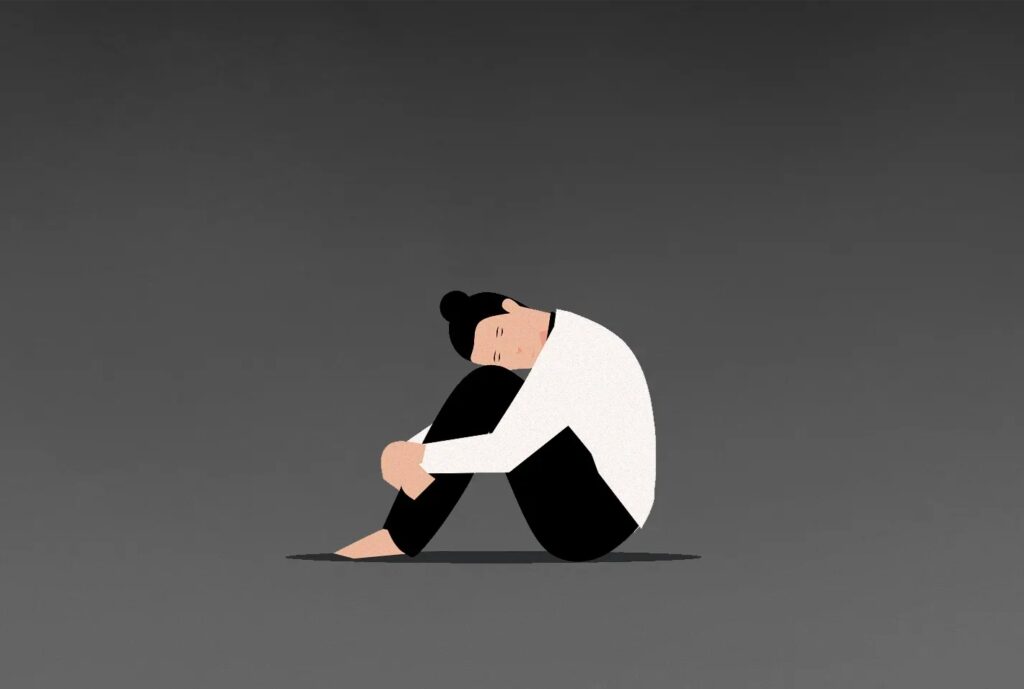
Traumatic invalidation is usually described in the context of adverse childhood experiences or minority stress. It refers to a pattern where someone’s emotions, safety, or identity are repeatedly dismissed or distorted until they begin to internalize shame and self-doubt. Most people understand this framework when it applies to certain groups, but very few have considered how it might apply to white individuals, especially those with racial trauma.
This is because their experiences are almost never recognized. In academic literature, therapeutic environments, and mainstream culture, the idea that a white person could experience racial trauma is often outright rejected. Instead of empathy or understanding, they encounter dismissal, reinterpretation, or moral judgment. This creates a situation where the trauma itself is compounded by the fact that it is socially unacceptable to acknowledge it.
In this essay, I explore how each of the popularized eight forms of traumatic invalidation — criticizing, emotional neglect, ignoring, misinterpreting, controlling, blaming, unequal treatment, and excluding — can appear in the experiences of white individuals with racial trauma.
Criticizing
Being insulted, put down, bullied, or called names. Being told what you are, do, or feel is wrong.
- Experiencing bullying due to your race, including stereotypes, hurtful jokes, rumors, or physical violence.
- Seeing other white people mocked or criticized for no clear reason, and the perpetrator being socially rewarded.
- Being told you “Have no culture” or that your heritage is inherently harmful.
- Seeing online discourse or memes that degrade or stereotype white people.
- Seeing white characters in media portrayed as stupid, evil, or ridiculous because of their race.
Repeated criticism, bullying, or being told your feelings or identity are wrong can lead to chronic self-doubt and shame. Being constantly put down for your race can create internalized messages that you are inherently bad, worthless, or flawed. Over time, individuals may develop heightened sensitivity to judgment, anxiety about social interactions, and an expectation that any effort to express themselves will be met with ridicule.
Emotional Neglect
Not receiving caring or loving responses from caregivers, peers, or society. People being indifferent to your suffering.
- Your trauma not being acknowledged in academia, psychology, or mainstream culture.
- Therapists or authority figures framing your trauma as “fragility” or defensiveness.
- People dismissing your suffering as proof of ignorance or privilege.
- Friends being unable to empathize with your trauma, because they have been taught it does not exist.
- Seeing media portray white people’s distress as a joke, a meme, or a performance rather than something real.
Experiencing indifference or a lack of empathy from caregivers, peers, or institutions can reinforce feelings of unworthiness. When your trauma is ignored or dismissed, it communicates that your emotional reality does not matter. This can result in depression, feelings of isolation, and the belief that you are unlovable or undeserving of care.
Ignoring
People not paying attention to what you do or say. Being treated like you are unimportant.
- Having your concerns immediately redirected to conversations about other groups, implying your experience has no value.
- Being spoken over in discussions about race, because your perspective is assumed to be uninformed.
- Being told white people don’t need representation or visibility.
- Feeling invisible in communities where your presence is treated as irrelevant or unwanted, or as bringing down the value of the group.
- Being told your race makes you “basic” or uninteresting.
Being consistently overlooked or devalued teaches you that your presence or voice is insignificant. Chronic experiences of being ignored can create anxiety, low self-esteem, and difficulty asserting needs or boundaries. Individuals may internalize the idea that they are unimportant and that their contributions have no value, which can exacerbate feelings of self-hatred and hopelessness.
Misinterpreting
Having your behavior and intentions misinterpreted in negative ways.
- Neutral (or even kind) actions being reframed as microaggressions solely because you are white.
- Expressions of confusion or pain being interpreted as proof of racism, fragility, privilege, or entitlement.
- Your attempt to talk about your trauma being interpreted as “centering whiteness.”
- Being told that your emotional responses are manipulative, or “white tears”.
- Being assumed guilty in any racial conflict or interaction, regardless of context.
When intentions or actions are consistently misread as harmful or privileged, individuals may feel constantly surveilled or misunderstood. This can lead to hypervigilance, guilt, self-censorship, and avoidance of social interactions. Internally, it fosters the belief that you cannot be trusted to act or think correctly, and that your genuine pain will always be seen as manipulative or wrong.
Controlling
Being told what to do and how to behave. Being treated like you are incompetent.
- Being told you must defer to certain groups in every conversation, regardless of actual expertise.
- Being instructed how to speak, behave, or even perceive yourself because you are told white people are “programmed” to be oppressive.
- Feeling pressure to constantly self-monitor your speech, tone, and thoughts to prove you’re not racist.
- Being told you must educate yourself and participate in activism endlessly or you are “part of the problem.”
- Being treated as if you cannot understand concepts like discrimination.
Being told what to do or how to think can undermine confidence in one’s judgment and autonomy. Constant oversight and strict instruction can increase anxiety, feelings of incompetence, and self-doubt. Over time, you may internalize the belief that you are incapable of making correct decisions or interpreting your own experiences.
Blaming
Being accused of things that are not your fault. Being told that you cause others stress & trouble.
- Being associated with historical harm such as colonization and slavery, despite having no part in it.
- Being told by peers things such as “You enslaved us.”
- Being told you benefit from oppression and need to be held accountable for it.
- Being told you are inherently racist, ignorant, and privileged, despite your actual experience.
- Being taught that “whiteness” is a system of harm that you contribute to by existing.
- Being told other races have to “cope” with your presence.
Being held responsible for harm you did not cause creates pervasive guilt and shame — even moral injury. When external events or historical injustices are attributed to you personally, it can lead to rumination, heightened self-criticism, and anxiety. Internally, it fosters the belief that you are a problem or that your mere existence causes distress to others, which can reinforce feelings of unworthiness and moral defectiveness.
Unequal Treatment
Being treated as less than, different from others, and discrimination based on personal traits.
- Seeing other races and heritages celebrated while yours is criticized or mocked.
- Seeing other races treated as morally superior, while you are always considered to be in the wrong.
- Seeing that people of other races are taken seriously when they experience racial trauma, but you are not.
- Being told that it is acceptable to say hurtful things about white people, but not about any other race.
- Being taught that white people can’t experience racism.
Experiencing discrimination, double standards, or persistent moral judgment fosters a sense of inferiority. When other groups’ experiences are validated while yours are dismissed, it can create resentment, hopelessness, and confusion. This may reinforce beliefs that you are inherently inferior, less moral, or less deserving of being treated fairly.
Excluding
Being left out of activities and denied entry to valued groups.
- The term “POC” grouping everyone except white individuals, creating a binary of good/innocent vs bad/guilty.
- Organizations advertising being “POC-led,” implying your involvement is harmful or unwelcome.
- Hearing that communities need “safe spaces away from white people,” and that your very presence harms or annoys people.
- Feeling socially isolated because every race-related discussion casts white people as the villain.
Being systematically left out of spaces or communities that are framed as morally good or socially valued communicates that your presence is harmful or undesirable. When you are excluded from groups that are celebrated for virtue, empathy, or progress, it can create feelings of moral shame and social alienation. Over time, individuals may internalize the belief that they are inherently outside the circle of moral legitimacy, that their presence is dangerous or corrupting, and that they cannot belong to communities that matter.
Traumatic Invalidation creates a cycle where the lack of recognition of one’s trauma becomes a traumatic event in itself. Because there are so few spaces that recognize that white people can experience racial trauma, most individuals subjected to these patterns may not even identify their distress as trauma. Without acknowledgment or validation, their experiences remain invisible, and the internalized effects — guilt, inferiority, and social alienation — can persist and worsen over time.
If you are experiencing this kind of trauma and invalidation, it is important to seek spaces or professionals who are willing to listen without judgment, and to explore your experiences as valid and real. Recognizing that your trauma exists is a first step toward understanding and managing its impact, even if society at large does not acknowledge it.